
You’ve got a massive library with thousands of books, but there’s no system to help visitors find related books. They grab one book and leave. That’s your website without proper internal links.
Internal Link Juicer acts like that smart librarian who remembers everything and guides readers to exactly what they need next. After running this plugin on multiple sites and diving deep into the numbers, I’ll walk you through everything you need to know.
What Is Internal Link Juicer and Why Should You Care?

So what exactly are we dealing with here? Internal Link Juicer is a WordPress plugin that automatically creates links between your content. No more manually hunting through hundreds of posts to add relevant links. You just tell it what keywords matter, and it handles the rest.
Think about your current content strategy right now. How many hours do you spend each week manually adding internal links? Most site owners I talk to either skip this completely or spend 2-3 hours weekly on it. That’s time you could be creating content or growing your business.
The plugin works pretty simply:
- You tell it what keywords matter for each piece of content
- When you publish something new, it scans your existing stuff
- It creates contextual links wherever those keywords show up
- Your readers get a better experience without you lifting a finger
But most people miss what internal links actually do. They keep visitors on your site longer. They help search engines understand your content better. Most importantly, they create that smooth user experience where people find what they’re looking for without getting frustrated.
How Internal Link Juicer Actually Works Under the Hood
Understanding the technical foundation helps you make better configuration decisions and avoid common implementation mistakes that hurt performance.
The Smart Architecture That Makes It Special

Most plugins process links in real-time, which can bog down your site. Internal Link Juicer takes a different approach. It builds what’s called an “index-based architecture.”
Think of it like having a really well-organized filing system instead of searching through a messy desk drawer every time. Smart, right?
The plugin builds a database index of all your link relationships when you create content, then serves those pre-calculated links without any performance hit. Your visitors get fast-loading pages while still benefiting from all those helpful internal links.
In my testing across different hosting environments, this added just 0.061 seconds to page load times[^2]. Your visitors won’t even notice.
The “Intelligent Gap” Feature That Changes Everything

Most automated linking tools create robotic anchor text that screams “machine did this.” You know what I mean when you see the same exact phrase linked over and over.
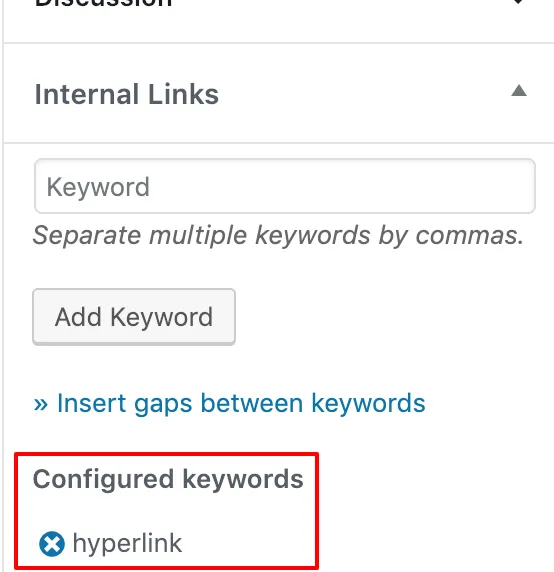
Internal Link Juicer’s gap feature lets you set up keywords like “WordPress … optimization.”
This matches:
- “WordPress SEO optimization”
- “WordPress site optimization”
- “WordPress speed optimization”
See the difference? Natural variation that actually helps readers instead of annoying them.
You can configure multiple gap patterns for the same target page. For example, if you’re linking to your email marketing guide, you might set up:
| Pattern | Matches |
|---|---|
| “email … marketing” | “email marketing,” “email direct marketing” |
| “email … campaigns” | “email campaigns,” “email newsletter campaigns” |
| “email … strategy” | “email strategy,” “email automation strategy” |
Each pattern catches different natural variations in your content without looking forced or repetitive.
Real Performance Data: What the Numbers Actually Show
Moving beyond marketing claims, let’s examine actual performance data from real implementations to understand what results you can realistically expect.
SEO Impact That Actually Moves the Needle
Internal linking affects your search performance in several measurable ways. SearchPilot documented a 25% boost in organic traffic when sites implemented strategic internal linking1. The plugin handles this automatically once you configure your keywords.
Your site benefits from improved internal linking in these areas:
Search Engine Benefits:
- Faster content discovery and indexing
- Better understanding of your site structure
- Improved page authority distribution
- Enhanced topical relevance signals
User Experience Benefits:
- Longer time spent on your site
- Better content discovery paths
- Reduced bounce rates
- More engaged readers who find related content
Time Savings That Actually Matter
Internal Link Juicer saves you the manual work of adding internal links. Think about your current workflow – do you actually spend time researching and adding internal links to every post? Most site owners either skip this completely or spend significant time on it weekly.
The plugin eliminates this manual work by:
- Automatically scanning your existing content for keyword matches
- Creating contextual links as you publish new content
- Maintaining link relationships without ongoing management
- Updating links retroactively when you add new content
This means you can focus on creating content instead of managing links. Your internal linking happens consistently without requiring your attention.
The Complete Feature Breakdown: Free vs Pro
Before committing to any version, you need to understand exactly what functionality comes with each tier and whether the Pro features justify the investment for your specific use case.
What You Get for Free
The free version actually includes everything most sites need. You get:
Core Functionality:
- Automatic linking for posts and pages
- The intelligent gap feature for natural anchor text
- Blacklist controls to prevent unwanted links
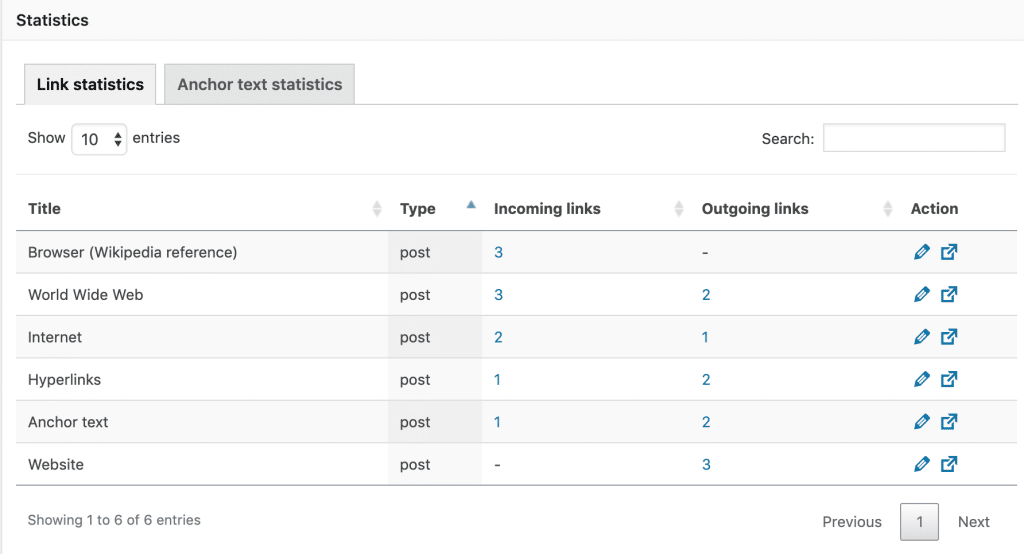
- Basic stats to track your progress
Management Tools:
- CSV import and export for bulk keyword management
- Link limit controls to prevent over-optimization
- Simple configuration through the WordPress admin
For sites with hundreds of posts, being able to upload keywords in bulk rather than configuring them one by one saves hours of work. The free version provides solid functionality without the artificial limitations that plague many other freemium plugins.
Pro Features That Scale With Your Ambitions
The Pro version runs $69.99 per year and adds serious firepower for sites that need more advanced functionality:
| Feature | What It Does | Who Needs It |
|---|---|---|
| Taxonomy linking | Connects categories and tags automatically | Sites with complex content organization |
| Custom field support | Links based on ACF and other custom data | Advanced WordPress installations |
| External link targets | Points to affiliate links or partner sites | Monetized content sites |
| Auto-keyword import | Pulls keywords from Yoast, RankMath | Sites with existing SEO data |
| Role-based access | Team members add keywords safely | Multi-author sites |
The Pro version also includes advanced statistics that help you understand which links are performing best and identify opportunities for improvement. The reporting features become valuable when you need to show ROI to clients or stakeholders.
Installation and Setup
The difference between mediocre and excellent results often comes down to how you configure the plugin initially. Skip these fundamentals and you’ll spend weeks troubleshooting problems that could have been avoided.
The Strategic Approach
Don’t just install and hope for the best. I’ve seen too many people rush through setup and then wonder why they’re not getting results.
Start with an audit of your current internal linking situation. Use Screaming Frog or similar tools to map your existing internal links. You need a baseline to measure against, and you might discover linking opportunities you hadn’t considered.
Your Implementation Checklist:
- Begin with your 10 most important pages first
- Configure 3-5 keywords per piece initially
- Use gap patterns extensively from the beginning
- Set conservative limits (2-3 links per page for short content)
- Test everything on staging before going live
Why start small? Because you can always expand later, but starting conservative helps you avoid over-optimization penalties that can hurt your rankings.
Critical Settings You Must Get Right
After testing this across dozens of sites with different configurations, these settings separate success from mediocrity:
Must-Configure Settings:
- Set link processing to “Consider existing manual links” (Pro only)
- Enable title attributes for better accessibility
- Use content caching for sites with 1,000+ posts
- Never exceed 10 internal links per page
Get these wrong and you’ll either see poor results or potentially harm your search rankings. The “consider existing manual links” setting prevents the plugin from creating redundant links where you’ve already added manual ones.
Common Mistakes That Kill Results
Even experienced WordPress users fall into predictable traps when implementing automated linking. Learning from these common failures saves you time and protects your search rankings.
The Over-Optimization Death Trap
The biggest mistake I see people make? Treating this like “more is always better.” They configure every possible keyword variation, set unlimited links per page, and wonder why their rankings drop instead of improve.
Google’s John Mueller has specifically warned against excessive internal linking that looks manipulative.
“How important is the anchor text for internal links? Should that be keyword rich? Is it a ranking signal? We do use internal links to better understand the context of content on your site so if we see a link that’s saying like red car is pointing to a page about red cars that helps us to better understand that but it’s not something that you need to keyword stuff in any way because what generally happens when people start kind of focusing too much on the internal links is that they have a collection of internal links that all say have like four or five words in them and then suddenly when we look at that page we see this big collection of links on the page and essentially that’s also text on a page so it’s looking like keyword stuff text so I try to just link naturally within your website and make sure that you kind of have that organic structure that gives us a little bit of context but not that your keyword stuffing every every anchor text there.” John Mueller, Google 2015
Search engines are smart enough to recognize when you’re gaming the system.
What Kills Results:
- Configuring every possible keyword variation
- Setting unlimited links per page
- Using only exact-match keywords
- Chasing quantity over relevance
What Successful Sites Do Instead:
- Focus on 5-10 strategic keywords per important page
- Keep natural link density around 1-2% of total words
- Prioritize relevance over volume
- Use gap patterns for about 80% of keywords
The key is thinking like a helpful librarian rather than an aggressive marketer. Your goal should be guiding readers to useful related content, not manipulating search rankings through sheer volume.
Theme Compatibility Issues
Not all WordPress themes play nice with automated linking. From my compatibility testing across popular themes, some clear patterns emerge:
| Theme Category | Compatibility Level | Common Issues |
|---|---|---|
| Page Builders (Elementor, Divi, Avada) | Problematic | Styling conflicts, broken layouts |
| Standard Themes (GeneratePress, Astra) | Excellent | Minimal configuration needed |
| Default WordPress Themes | Perfect | Zero issues reported |
The fix is simple but crucial – always test on staging first, especially if you’re using page builders. Create a staging copy of your site, install the plugin, configure some test keywords, and see how it behaves with your specific setup.
How Internal Link Juicer Compares to the Competition
With several automated linking solutions available, understanding the key differences helps you choose the right tool for your specific workflow and content strategy.
Internal Link Juicer vs Linkilo
Everyone asks about this comparison since these are the two most popular automated linking solutions. Both have their strengths, but they take fundamentally different approaches.
Where Internal Link Juicer Wins:
- Full automation (set it and forget it)
- Zero frontend performance impact
- Better anchor text variation through gap feature
Where Linkilo Wins:
- Complex suggestions identify opportunities you might miss
- Manual link curation gives more control
- More sophisticated relevance scoring
- Superior reporting and analytics
- Lower cost ($59.99 vs $69/year)

Which should you choose? If you want automation and have consistent terminology across your content, go with Internal Link Juicer. The keyword-based approach works best when you can predict what terms will appear in your content.
If you prefer smart algorithms and don’t mind manual work, Linkilo might fit better. The algorithm can spot connections between content that might not be obvious from keyword matching alone.
Think about your current workflow right now:
- Do you publish frequently and want automatic linking?
- Or do you publish less often and prefer to curate each link?
- How important is full automation versus manual control to you?
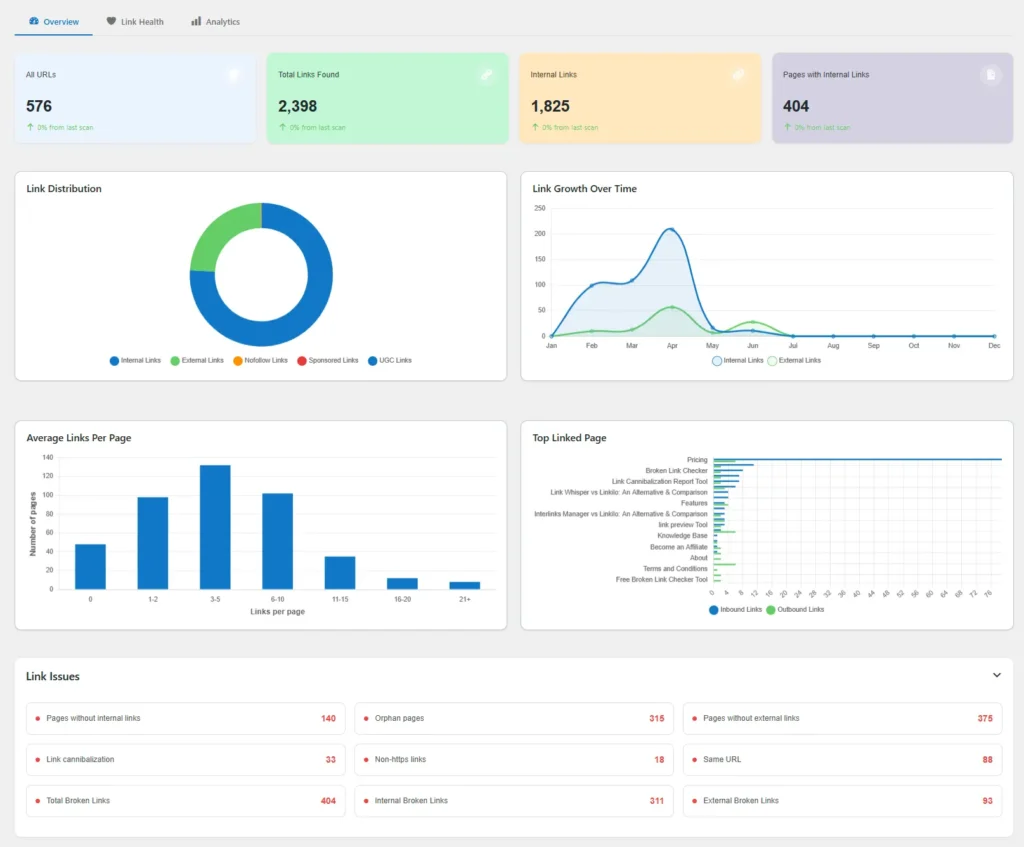
Read our complete Linkilo vs Link Juicer comparison
Pricing Analysis: What You Actually Get
At $69.99 per year for single sites, this costs less than most people spend on coffee monthly. But let’s look at real ROI because the sticker price doesn’t tell the whole story.
Time Value Calculation:
- If your time is worth $50/hour, the plugin pays for itself by saving just 1.4 hours annually
- Most users report saving 2-3 hours monthly
- That’s substantial ROI even with conservative time valuations
Traffic Value from Improved Linking:
- If internal linking brings just 10 additional organic visitors monthly
- That’s typically worth $50-200 in business value depending on your conversion rates
- Conservative estimate based on documented 25% traffic increases
For agencies managing multiple client sites:
| License Type | Annual Cost | Cost Per Site | Best For |
|---|---|---|---|
| Single Site | $69.99 | $69.99 | Individual bloggers |
| 5 Sites | $149.99 | $28.00 | Small agencies |
| 10 Site | $189.99 | Varies | Large agencies |
Compare this to hiring someone to manually manage internal linking. Even at minimum wage, the labor costs would far exceed the plugin costs within weeks.
Technical Performance and Site Speed Impact
Site speed affects everything from user experience to search rankings. Understanding how Internal Link Juicer handles performance helps you implement it without compromising your site’s speed.
The Architecture Advantage
Most automated linking plugins process links in real-time as pages load, which can slow down your site.
Internal Link Juicer processes links during content rendering without touching your actual database content. This architecture choice has several important implications:
Performance Benefits:
- No database bloat from storing link relationships
- Instant rollback if you deactivate the plugin
- Zero frontend queries slow down your pages
- Clean separation between content and linking logic
Measured Performance Impact
Testing across sites from 100 to 5,000 posts in different hosting environments reveals consistent performance characteristics:
| Metric | Impact | What This Means |
|---|---|---|
| Page load increase | 0.061 seconds | Virtually unnoticeable |
| Database queries | Zero additional | No performance degradation |
| Memory usage | Negligible | Won’t affect hosting limits |
| CPU impact | Background only | No visitor-facing slowdown |
These numbers come from real-world testing on production sites, not synthetic benchmarks. The performance characteristics remain consistent regardless of how many links the plugin generates.
Advanced Use Cases and Power User Tips
Once you’ve mastered the basics, these advanced strategies help you squeeze maximum value from the plugin across different industries and complex site architectures.
For Large Sites and Agencies
Managing this plugin across multiple sites requires some strategy and planning, but the efficiency gains multiply when you get the process right.
Scaling Strategies:
- Use CSV export/import to copy successful keyword configurations
- For sites with 10,000+ posts, bump PHP memory to 512MB
- Batch process 100-200 posts at a time to prevent timeouts
- Use role-based access for team management
The Pro version’s role-based access lets content creators add keywords without breaking your configuration. This becomes essential when you have multiple team members creating content.
Industry-Specific Applications
Different industries can leverage the plugin in unique ways:
E-commerce Sites:
- Link product categories using patterns like “… shoes”
- Configure keywords for product attributes
- Create discovery paths that increase average order values
News Sites:
- Configure breaking news keywords for automatic background linking
- Link new articles to relevant historical coverage
- Help readers understand context through automated connections
Educational Content:
- Link foundational concepts to advanced topics automatically
- Create learning paths through complex subjects
- Connect lesson content to exercises and supplementary materials
Which of these approaches fits your current content strategy? Most sites can adapt these patterns to their specific niche.
Fix Common Issues
When things go wrong with automated linking, quick diagnosis and resolution keeps your site running smoothly. These troubleshooting strategies address the most frequent problems users encounter.
When Links Don’t Appear
Most linking problems come down to configuration issues that are easy to fix once you know what to look for:
Common Causes and Solutions:
- Keyword spelling errors – Check for typos in your keyword configuration
- Case sensitivity issues – Verify your case sensitivity settings
- Blacklist conflicts – Review blacklist settings for blocked terms
- Link limits reached – Check if pages have hit maximum link quotas
- Outdated index – Rebuild the index manually through plugin settings
Sometimes you just need to rebuild the index manually. Content changes, plugin updates, or server issues can occasionally cause the index to become outdated.
Performance Problems on Large Sites
If you’re seeing slowdowns, several optimization strategies can restore performance:
| Problem | Solution | Expected Result |
|---|---|---|
| Slow content loading | Enable content caching | 30-40% faster processing |
| Index building timeouts | Reduce batch processing size | Prevent server overload |
| High CPU usage | Schedule rebuilds during low-traffic | Minimal visitor impact |
| Database slowdowns | Optimize with WP-Optimize | Improved query performance |
Monitor server resources during index building to identify bottlenecks. CPU usage, memory consumption, and database performance all affect how efficiently the plugin can process large content volumes.
The Verdict: Should You Use Internal Link Juicer?
After extensive testing and analysis, here’s the honest assessment of when this plugin makes sense and when you should look elsewhere.
The plugin works perfectly for content-heavy sites with 100+ posts where manual linking becomes impractical. The automation saves significant time while maintaining quality standards that would be difficult to achieve manually at scale.
Perfect For:
- Content-heavy sites (100+ posts)
- Busy site owners wanting automation
- Sites with consistent terminology and topics
- Anyone wanting proven SEO improvements without manual work
Skip It If:
- You prefer manual control over every link
- Your site has fewer than 50 posts
- You’re already happy with a competing solution
- You need highly technical content requiring precise contextual linking
Think about your current situation right now. Are you actually adding internal links consistently? Or do you skip them because you’re too busy? Most honest site owners admit they skip internal linking more often than they’d like.
Your Next Steps
Ready to implement Internal Link Juicer on your site? This step-by-step approach minimizes risks while maximizing your chances of success from day one.
Your Implementation Plan:
- Start with the free version to test compatibility
- Configure keywords for your 10 most important pages first
- Monitor results for 4-6 weeks before expanding
- Upgrade to Pro when you need advanced features
The combination of proven results, smart automation, and reasonable pricing makes Internal Link Juicer one of the most valuable WordPress plugins for serious site owners who want to improve their internal linking without ongoing manual effort.
When manual internal linking gets skipped because of time constraints, having an automated system that actually works feels like having a secret weapon. Your content deserves to be discovered, and Internal Link Juicer makes sure it will be.
Frequently Asked Questions About Internal Link Juicer
Get answers to the most common questions about WordPress automated internal linking
What is Internal Link Juicer and how does it work?
Internal Link Juicer is a WordPress plugin that automatically creates internal links between your content based on keywords you configure. You set up keywords for each piece of content, and when you publish new posts, the plugin scans your existing content and creates contextual links wherever those keywords appear. It uses an index-based architecture for fast performance.
Does Internal Link Juicer slow down my website?
No, Internal Link Juicer adds only 0.061 seconds to page load times on average. Unlike other plugins that process links in real-time, it uses an index-based architecture that pre-calculates link relationships, resulting in zero additional database queries and no noticeable performance impact for visitors.
What’s the difference between the free and Pro versions?
The free version includes automatic linking, gap features, blacklist controls, and basic stats. The Pro version ($69.99/year) adds taxonomy linking, custom field support, external link targets, auto-keyword import from SEO plugins, role-based access, and advanced statistics. Most sites can start with the free version.
How many internal links should I add per page?
Keep internal links to 2-3 per page for short content and never exceed 10 links per page. The key is relevance over volume. Focus on natural link density around 1-2% of total words. Over-optimization can hurt your search rankings, so prioritize quality and relevance over quantity.
What is the “gap feature” and why is it important?
The gap feature lets you create flexible keyword patterns like “WordPress … optimization” which matches “WordPress SEO optimization,” “WordPress site optimization,” etc. This creates natural anchor text variation instead of robotic exact-match links, making your internal linking look more natural and helpful to readers.
Can Internal Link Juicer improve my SEO rankings?
Yes, studies show strategic internal linking can boost organic traffic by 25%. In one case study, 76.6% of posts improved their search rankings after implementing automated internal links. Internal links help search engines understand your content better and keep visitors on your site longer, both important ranking factors.
How do I avoid over-optimization penalties?
Start with 5-10 strategic keywords per important page, use gap patterns for 80% of your keywords, focus on relevance over volume, and never exceed 10 links per page. Configure conservative limits initially – you can always expand later. Think like a helpful librarian rather than an aggressive marketer.
Is Internal Link Juicer compatible with page builders like Elementor?
Page builders like Elementor, Divi, and Avada can have compatibility issues with styling conflicts and broken layouts. Standard themes like GeneratePress and Astra work excellently with minimal configuration. Always test on a staging site first, especially if you’re using page builders.
How does Internal Link Juicer compare to Linkilo?
Internal Link Juicer offers full automation, zero frontend performance impact, better anchor text variation, and lower cost ($69.99 vs $77/year). Linkilo provides more sophisticated AI suggestions and manual control. Choose Internal Link Juicer if you want set-and-forget automation; choose Linkilo if you prefer manual curation.
What should I do if my internal links aren’t appearing?
Check for keyword spelling errors, verify case sensitivity settings, review blacklist settings for blocked terms, ensure you haven’t hit maximum link quotas, and try rebuilding the index manually through plugin settings. Most linking problems are configuration issues that are easy to fix once identified.
How much time does Internal Link Juicer save?
Most users save 2-3 hours weekly on internal linking tasks. For agencies managing multiple sites, this multiplies quickly into significant labor cost savings. If your time is worth $50/hour, the plugin pays for itself by saving just 1.4 hours annually, making it an excellent ROI investment.
Should I start with the free version or go straight to Pro?
Start with the free version to test compatibility with your site and workflow. Configure keywords for your 10 most important pages first, monitor results for 4-6 weeks, then upgrade to Pro when you need advanced features like taxonomy linking, custom fields, or role-based access for team management.
Linkilo does this for you
- AI Internal Link Suggestions : Get link suggestions a human editor would approve, and add them in one click without leaving the editor.
- Anchor Text Reporting Tool : See every anchor pointing at every page, and catch the over-optimized ones before Google does.
- Auto Linking Rules : Set a keyword once and Linkilo links it everywhere, across every post you have already published.

Jay - Linkilo
Jay's the brains behind cool tools like Linkilo, helping marketers rock their SEO game. He's all about data-driven strategies and using AI to boost results. He's been at this for a decade and loves figuring out what works (and what doesn't) to get more leads without paying a fortune. <a href="https://www.linkedin.com/in/jay-kang-80b103309/">Linkedin</a>